Policy Regula2026-09-20 15:31:12Lummis says Democrats sought audited financials for crypto projects raising over $25 millionU.S. Republican Senator Cynthia Lummis of Wyoming said Democrats had previously pushed for a requirement that any crypto project raising more than $25 million from the public provide audited financial statements, adding that the provision was written into legislation. Lummis also said Democrats later voted against the transparency they had asked for. According to the brief, Lummis has served as a U.S. senator from Wyoming since 2021. Before that, she served in the U.S. House of Representatives from 2009 to 2017. The remarks were cited by ChainCatcher in a policy and regulation newsflash.290
Cynthia Lummi2026-09-20 15:04:54Lummis says CLARITY Act included audit requirement for crypto projects raising over $25 millionSenator Cynthia Lummis said Democrats had previously pushed to require crypto projects that raise more than $25 million from the public to provide audited financial statements, and that the provision was written into the CLARITY Act. She also said Democrats later voted against advancing the bill. Earlier, on Sept. 15, the Senate held a procedural vote on moving the CLARITY Act forward, but the measure did not pass. The remarks frame the audit threshold as part of the bill’s earlier requirements while highlighting the failed effort to advance it in the Senate.390
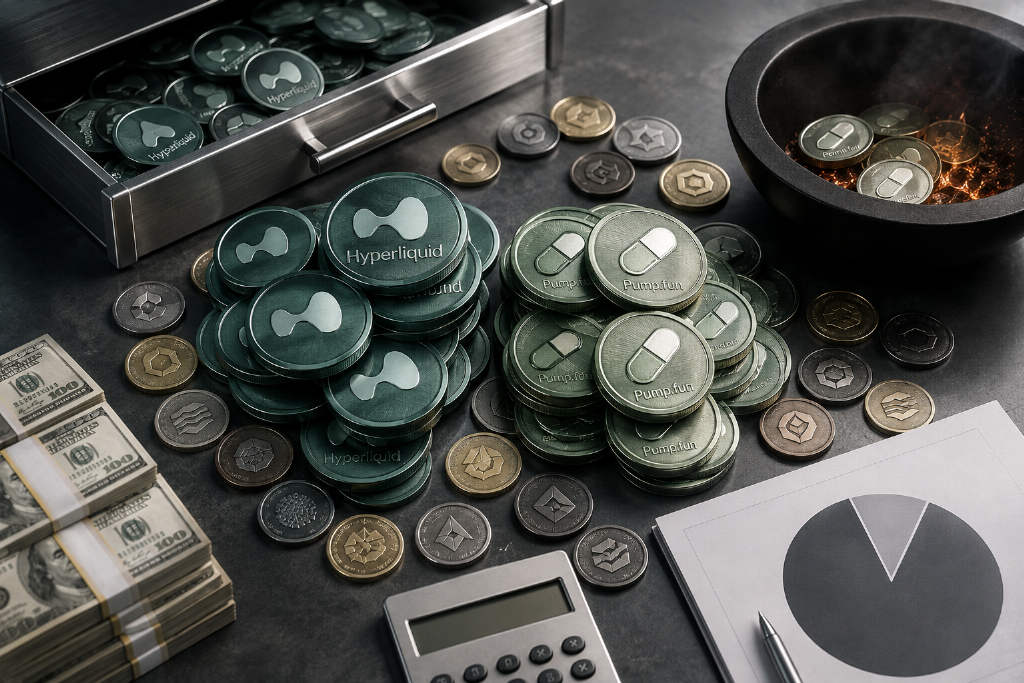
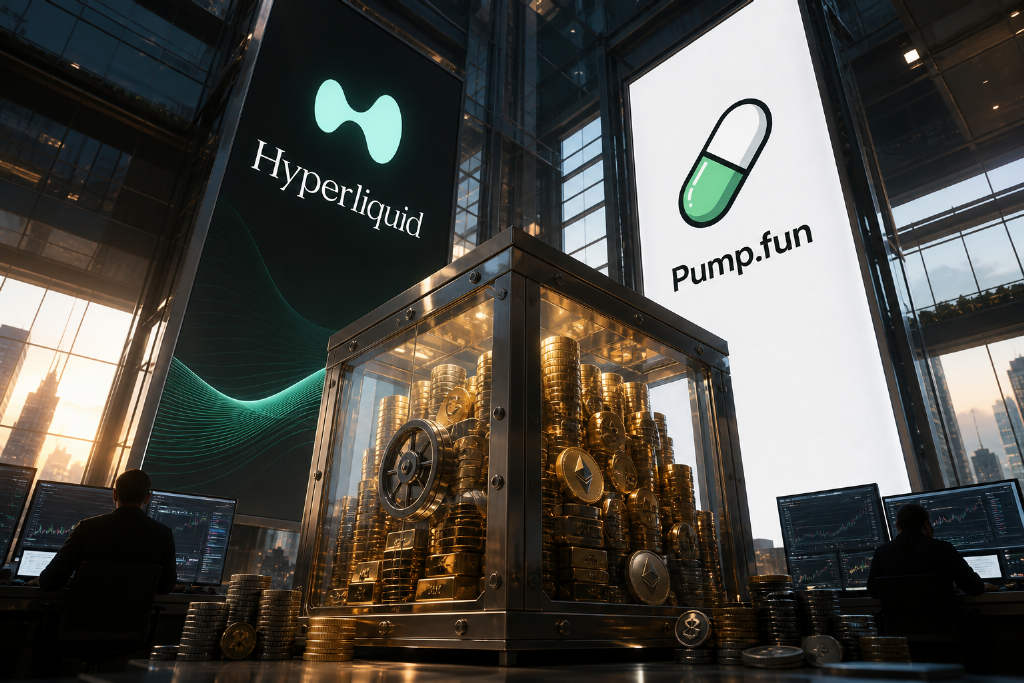
token buyback2026-09-07 10:03:58Crypto token buybacks hit $640 million in 2026, but the value case is still under debateCrypto projects are spending heavily to buy back their own tokens, reviving a familiar debate from traditional finance in a market that has often struggled to tie token prices to real business performance. The article says token buybacks have reached about $640 million so far in 2026, up roughly 17% from the same period a year earlier, with Hyperliquid and Pump.fun accounting for nearly 90% of that total. Supporters argue that buybacks, especially when paired with burns, create open-market demand, reduce circulating supply and give tokenholders a clearer link to protocol revenue. Critics, or at least skeptics, say that logic has limits: every dollar used to repurchase tokens is a dollar not spent on hiring, reinvestment or balance-sheet strength. Views cited from 1inch, Bitwise and Spark show the divide clearly. Buybacks may support token economics, but they do not automatically improve the underlying business, and they cannot rescue a protocol whose model is not sustainable. The regulatory angle is also getting sharper, as questions grow over whether token value comes from network utility or from a team’s efforts to deliver returns.320
Token Buyback2026-09-04 13:30:00Token buybacks are surging in crypto, but the value case is still up for debateCrypto projects are spending far more of their revenue on token buybacks, borrowing a familiar play from public markets and applying it to onchain assets. Cointelegraph reports that projects have spent about $640 million on buybacks so far in 2026, up roughly 17% from the same period a year earlier and dramatically above the $366,000 recorded in 2024. Hyperliquid and Pump.fun account for nearly 90% of that total. Supporters say buybacks can create a clearer link between protocol activity and token value. Buying tokens from the market can add demand, and burning them can shrink supply, which may put upward pressure on price. Backers also argue the model is easier for users to understand than governance rights or complex fee structures, and in some cases it can be a tax-efficient way to return value to holders. The counterargument is straightforward. Every dollar used to repurchase tokens is a dollar not spent on developers, product work, business expansion or balance-sheet strength. Buybacks can also support token optics without improving the underlying business. Recent examples cited by Cointelegraph show that aggressive repurchases do not automatically lead to lasting price gains. The debate now centers on whether buybacks reflect real protocol strength or simply financial engineering layered on top of weaker fundamentals.370
token buyback2026-08-31 07:38:28Crypto project token buybacks hit a record $638 million in 2026Crypto project token buybacks reached a record $638 million in 2026, according to a Techub News brief citing Crypto.news. The update points to a highly concentrated buyback picture, with Hyperliquid and Pump.fun accounting for nearly 90% of the total purchase volume. No additional project-level breakdown or timeframe inside the year was disclosed in the item, but the headline figure marks a new all-time high for annual buybacks among crypto projects. The data, as presented in the brief, highlights how a small number of issuers dominated token repurchase activity during the period covered.320
crypto projec2026-08-31 05:57:26Crypto Token Buybacks Near $638 Million This Year, With Hyperliquid and pump.fun Making Up Almost 90%Crypto projects have spent nearly $638 million buying back their own tokens so far this year, according to Financial Times reporting that cited data from Allium Labs. The figure stands above the $545 million recorded in the same period last year and far exceeds the $366,000 reported for all of 2024. The activity has been heavily concentrated in a small number of names, with Hyperliquid and pump.fun together accounting for almost 90% of this year’s total buybacks. The report said token repurchases are typically used by project teams to reduce circulating supply, add buying pressure, ease selling pressure, and support prices during a weak market. The larger buyback total this year also suggests that more crypto projects are adopting repurchases as a response to prolonged market softness.820
crypto projec2026-08-28 09:10:17RootData: Over 100 Crypto Projects Shut Down or File for Bankruptcy in First 7 Months of 2026Hong Kong Economic Journal, citing RootData statistics, reported that more than 100 cryptocurrency projects announced shutdowns, bankruptcy, or indefinite suspension of services in the first seven months of 2026. The article, relayed by ChainCatcher, stressed that the actual closure count may be higher, because many projects never issued formal announcements and instead faded away quietly. It further said the closure wave is not restricted to one niche, but has spread widely across exchanges, wallets, DeFi protocols, DAO tools, Layer 2 networks and infrastructure projects, forming a sector-wide trend. The column’s takeaway, based on RootData’s tracking figures, is that the recorded shutdowns are merely a floor and the real toll is probably larger. In other words, a project that simply goes silent still counts as a failure in practice, even if no one files a formal notice. The column presents this as a wave across the whole industry.770
SEC2026-08-19 08:47:44Under New SEC Rules, How Can a Crypto Project Raise Capital Legally and Grow?Foresight highlighted a single policy question for the crypto sector: under new U.S. Securities and Exchange Commission, or SEC, rules, how should a crypto project move from zero to one in a lawful way, raise capital compliantly, grow its operations, and eventually move outside the scope of securities regulation? The item does not provide a detailed answer, figures, or a specific compliance framework. Instead, it frames the issue around three linked stages in a project’s life cycle: fundraising, growth, and the point at which it may no longer fall within securities oversight. The focus is squarely on regulatory structure rather than token prices, market reaction, or product launches. The source cited is Foresight, and the original link points to an X post.1120